Ion Exchange Resins (IER) are insoluble, cross-linked polymers that facilitate the exchange of ions between the resin and a surrounding electrolyte solution. These synthetic resins consist of a polymer backbone with functional ionic groups attached, which are responsible for the ion exchange properties. The technology is widely used in applications like water treatment, separation processes, catalysis, and in the chemical, pharmaceutical, and nuclear industries due to its high efficiency and selectivity.
Structure and Composition:
Polymer Matrix
The ion exchange resin is based on a polymer matrix, typically derived from polystyrene cross-linked with divinylbenzene (DVB), providing the structural framework and mechanical stability. The level of cross-linking (usually 4% to 12%) determines the porosity, swelling properties, and overall ion exchange capacity. A highly cross-linked resin has lower porosity but greater mechanical strength, whereas lower cross-linking increases porosity and ion diffusion rate. The Polystyrene backbone provides mechanical support and the cross-linking with DVB affects the resin’s porosity, strength, and swelling behaviour.
Functional Groups
The ion exchange capacity of the resin is determined by the functional groups chemically bonded to the polymer matrix. These functional groups are responsible for attracting and exchanging ions from the electrolyte solution. Depending on the type of functional group, resins can be classified as either cationic or anionic.
Key Applications:
Water Treatment: Removal of hardness (calcium and magnesium) in softening processes, demineralization, and desalination.
Chemical Processing: Separation and purification of chemicals, including acids and alkalis, in industrial processes.
Pharmaceuticals: Purification and separation of biomolecules and drugs, such as the use of resins in chromatographic techniques.
Power Plants: Removing ions from cooling water.
Food and Beverage Industry: Decolorization, deionization, and purification of products like sugar, fruit juices, and wine.
We work with partners globally to supply a diverse range of Ion Exchange Resins (IER) products. Our advanced technology and rigorous quality control ensure that we deliver high-performance resins tailored to meet the specific needs of various industries.
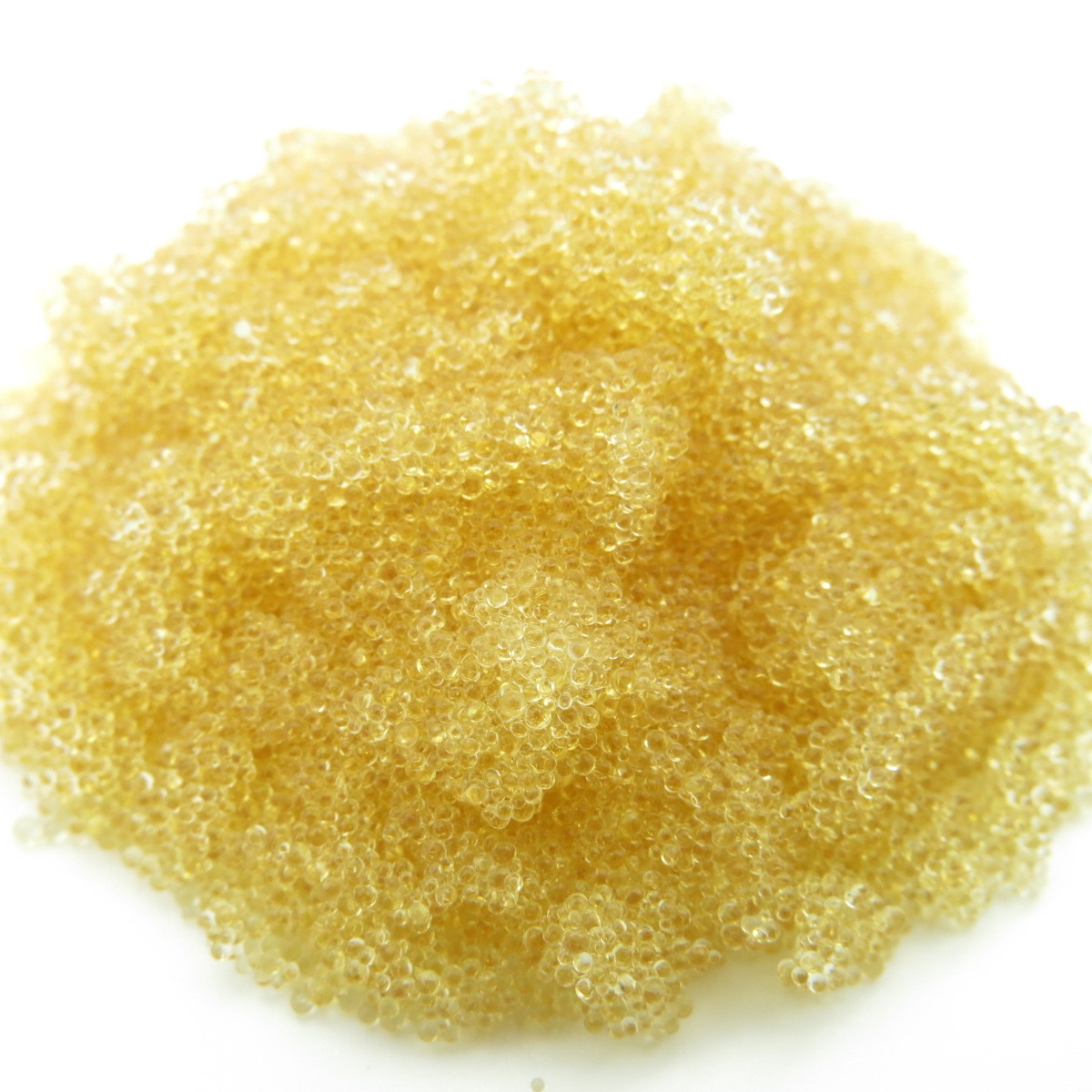
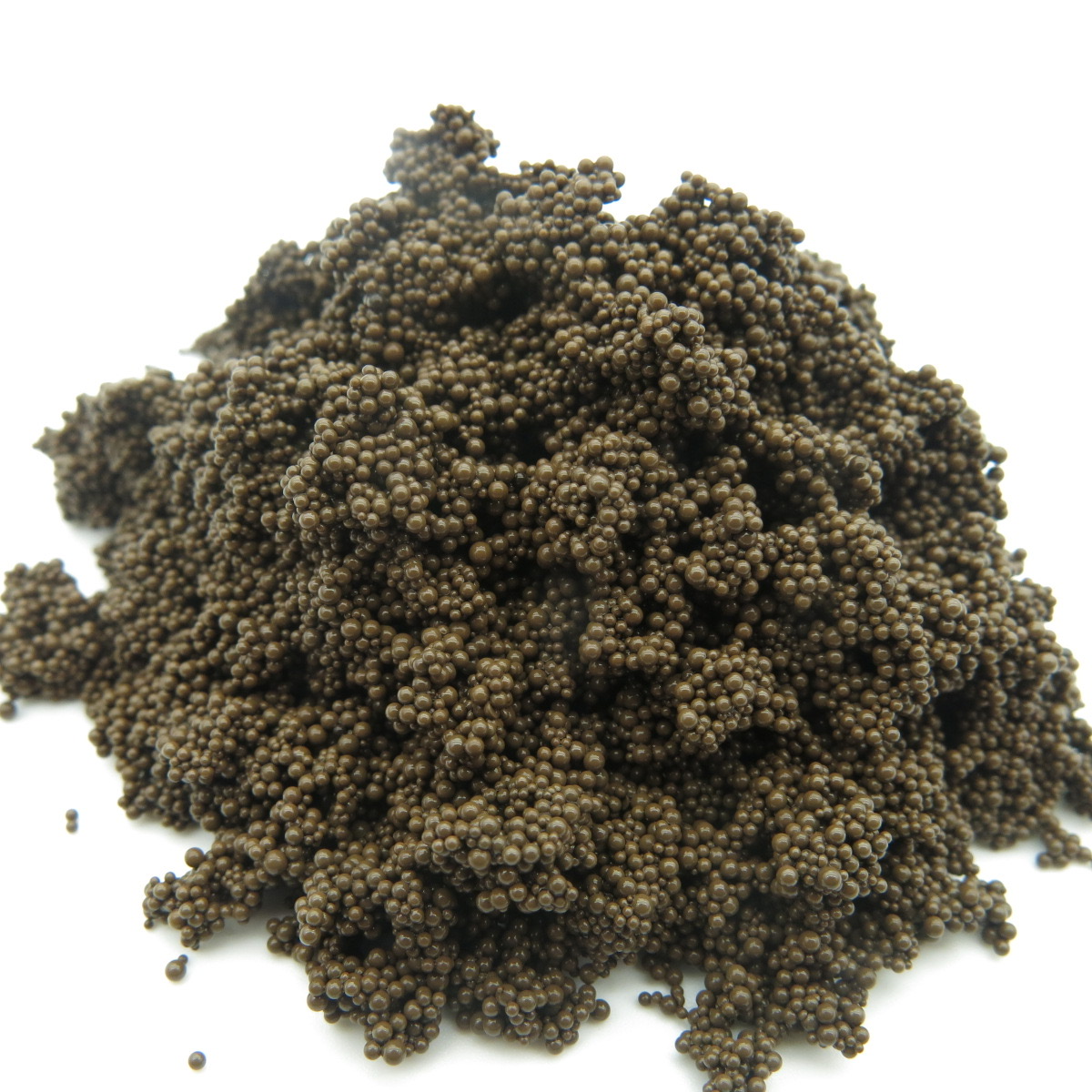
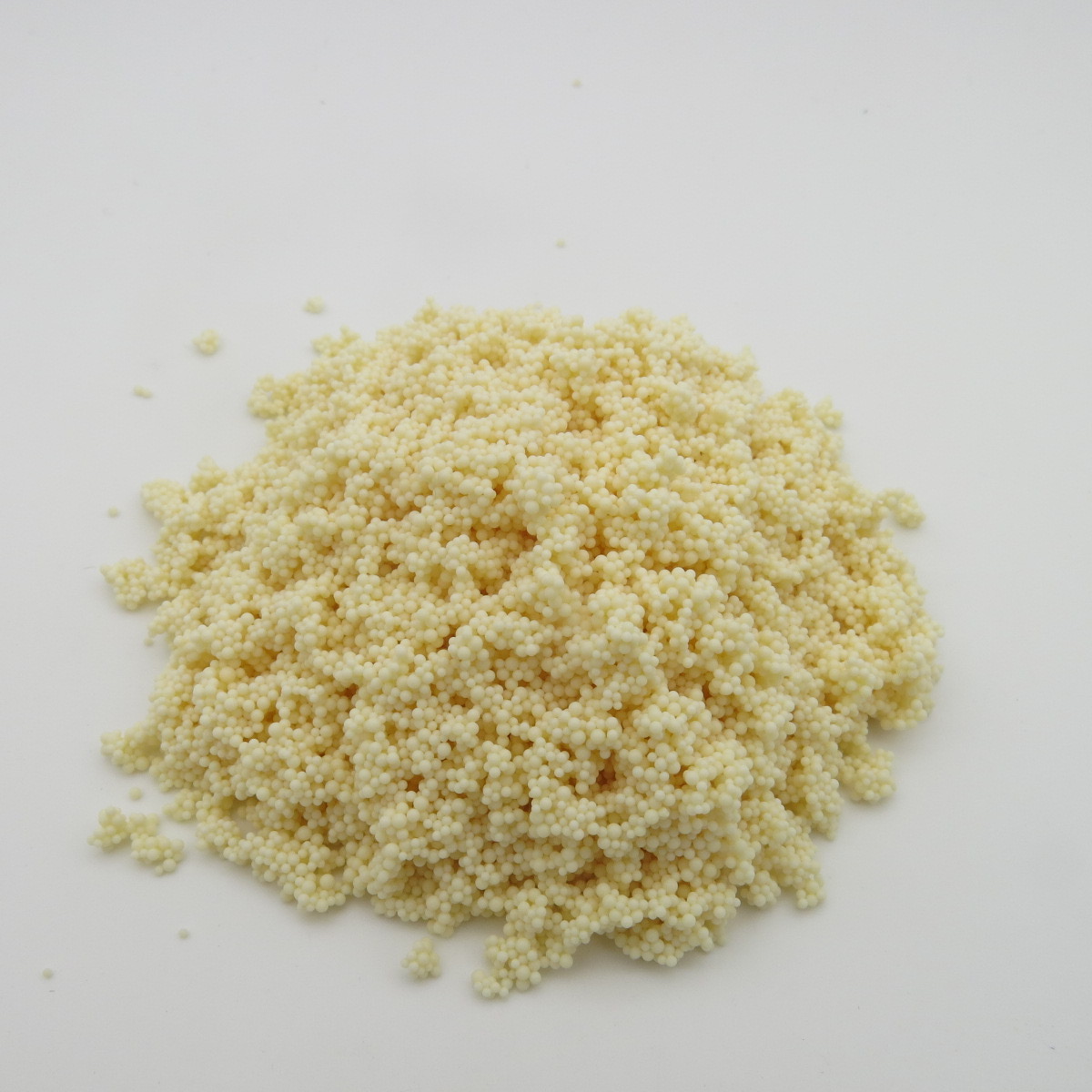
We offer a selection of Ion Exchange Resins (IER) products: