Activated Carbon is a highly porous form of carbon with a large surface area, making it effective at adsorbing various impurities and contaminants. This material is produced from carbon-rich sources like wood, coal or coconut shells, which are treated at high temperature and activated to increase porosity and surface area.
We work with global manufacturers and supply various types of activated carbon under the brand name SorbPlus to meet your needs.
Types of Activated Carbon
Powdered Activated Carbon (PAC)
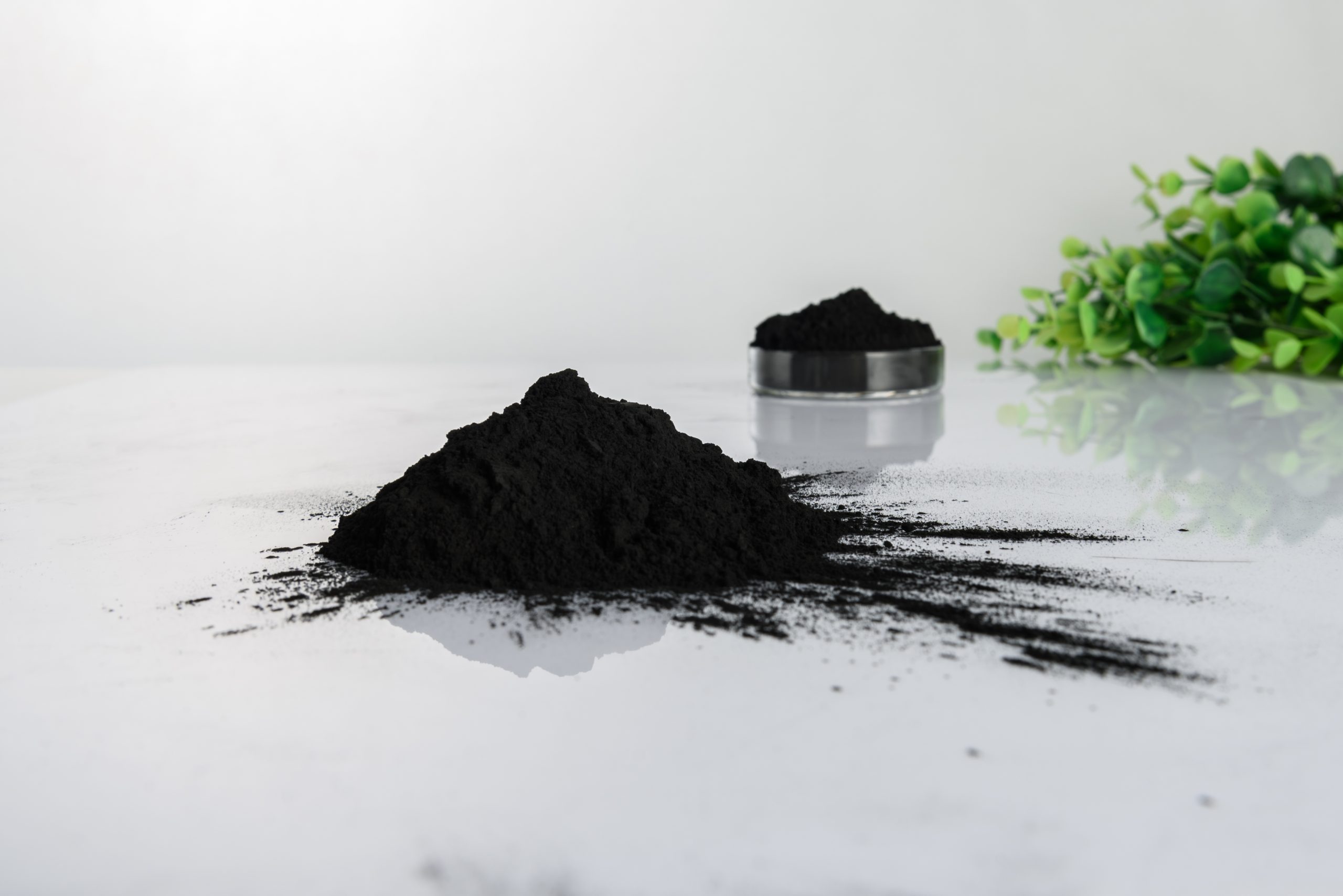
PAC is a finely ground form of activated carbon, typically with particle sizes less than 0.18 mm. This small particle size gives PAC a high surface area-to-volume ratio, enabling rapid adsorption of contaminants, especially in liquid-phase applications. PAC is widely used in water treatment, air purification, and industrial processes due to its fast-acting adsorption capabilities.
Granular Activated Carbon (GAC)
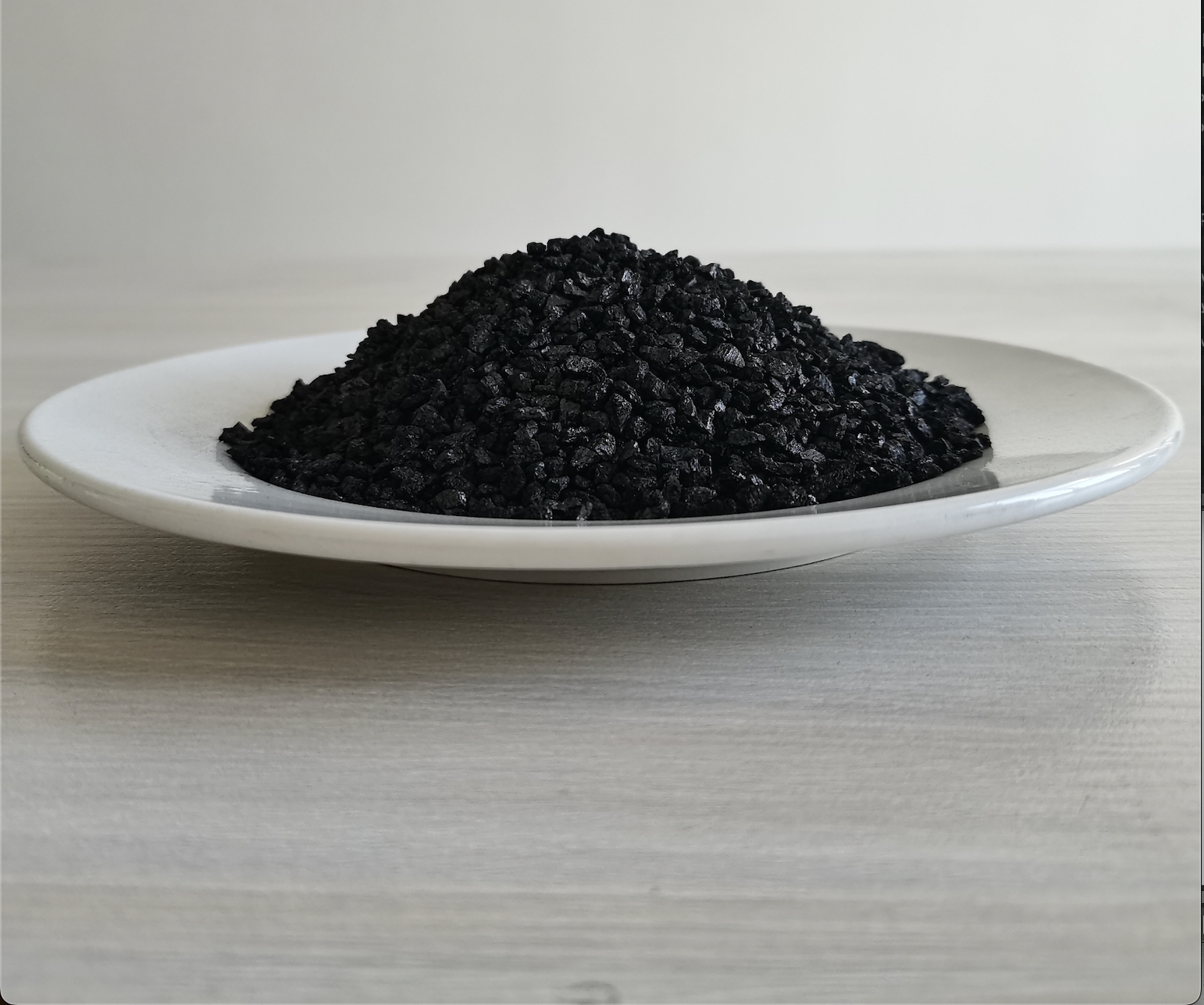
GAC is a coarser form of activated carbon with particle sizes typically ranging from 0.2 to 5 mm. Unlike Powdered Activated Carbon (PAC), GAC is not finely ground, allowing it to be more durable and better suited for continuous or long-term applications. GAC has a high surface area due to its porous structure, but because of its larger particle size, it has slower adsorption kinetics compared to PAC. This makes GAC particularly suitable for applications requiring steady, long-term filtration.
Pelletized Activated Carbon
Pelletized or extruded activated carbon consists of cylindrical pellets typically 1 to 5 mm in diameter. The pelletized form is produced by extruding activated carbon into uniform, cylindrical shapes, creating a dense material with low dust and high mechanical strength. These features make pelletized activated carbon particularly useful in applications requiring a low-pressure drop, controlled flow rates, and resistance to physical attrition.
Applications and Uses
Food and Beverage:
Activated carbon is widely used in the food and beverage industry for its ability to purify, decolorize, and remove undesirable compounds, helping improve the quality, taste, appearance, and safety of food products. Its high adsorption capacity allows it to selectively trap impurities, odours, colours, and toxins, making it essential in processes ranging from sugar refining to beverage purification. Key applications include sugar refining, edible oil refining, beverage production, flavour and fragrance purification.
Water Treatment:
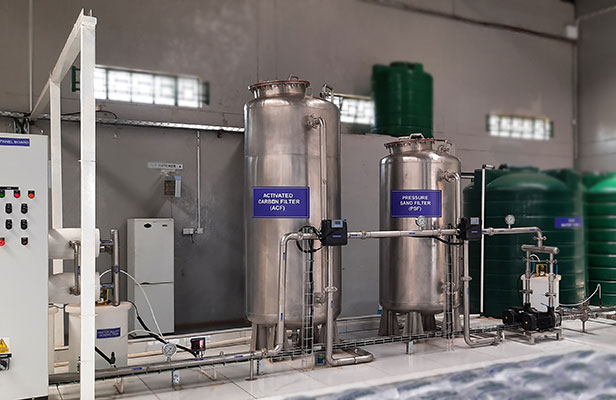
Activated carbon is used in the removal of contaminants and colour from municipal drinking water, municipal waste water, industrial waste water. It is particularly effective in adsorbing chlorine and chloramines, organic compounds, volatile organic compounds, disinfection by products, taste and odour compounds.
Air Purification:
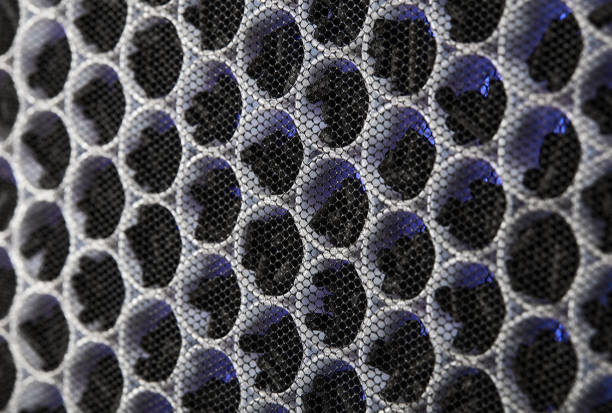
Activated carbon is extensively used in gas purification to remove contaminants, odours, and toxins from air and industrial gases. Its highly porous structure and large surface area make it an excellent adsorbent for a variety of gases and vapours, including volatile organic compounds (VOCs), acidic gases, and hydrocarbons. Activated carbon can be customized to target specific pollutants, making it valuable for a wide range of applications in industries such as chemical processing, environmental control, and indoor air quality management. Key contaminants removed in gas applications include VOCs, acidic gases, ammonia, mercury vapours, odorous compounds.
Oil and Gas:
In the oil and gas industry, activated carbon is widely used for its ability to remove contaminants, improve product quality, and protect equipment. The high surface area and adsorptive capacity of activated carbon make it ideal for applications ranging from purification of hydrocarbon streams to wastewater treatment. Its use in this sector helps address environmental compliance, enhance process efficiency, and reduce operational costs. Key applications include hydrocarbon purification, mercury removal, natural gas sweetening, water and waste water treatment, vapour recovery, odour control, biogas purification and catalyst carrier.
Gold Recovery:
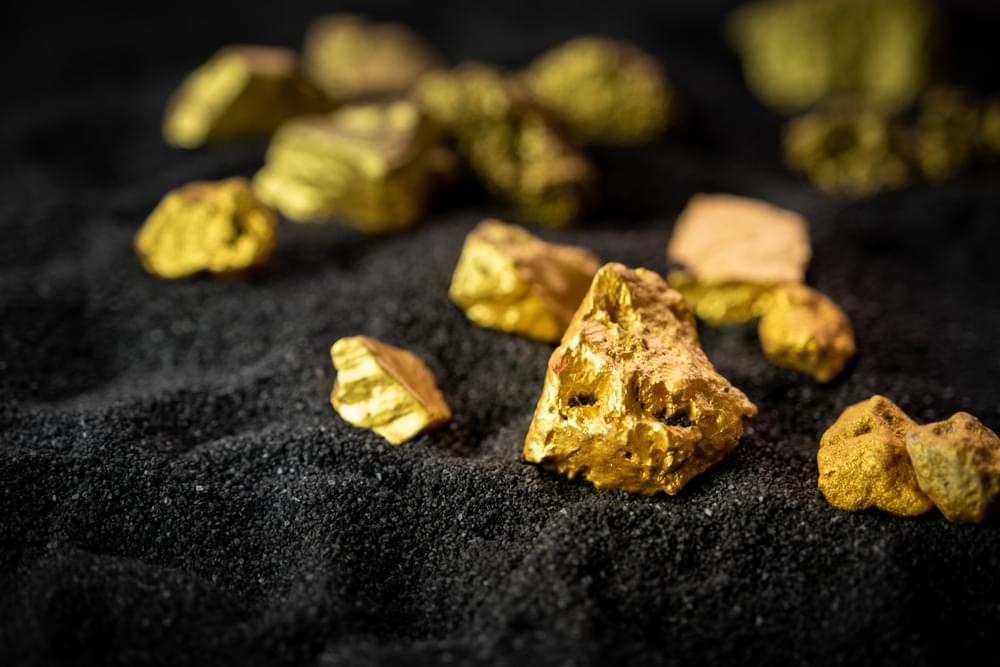
Activated carbon is a critical material in the gold mining industry, especially in the Cyanide Leaching Process, where it is used to recover gold from cyanide solutions. This process, often referred to as Carbon-in-Pulp (CIP) or Carbon-in-Leach (CIL), leverages activated carbon’s large surface area and porous structure to adsorb gold ions from solution, making it one of the most efficient and cost-effective methods for extracting gold from ores.
Industrial Chemicals Purification :
Chlor-Alkali, Lactic acid purification, methionine, oleochemicals are known to use activated carbon for removal of organic impurities, colour and odour.